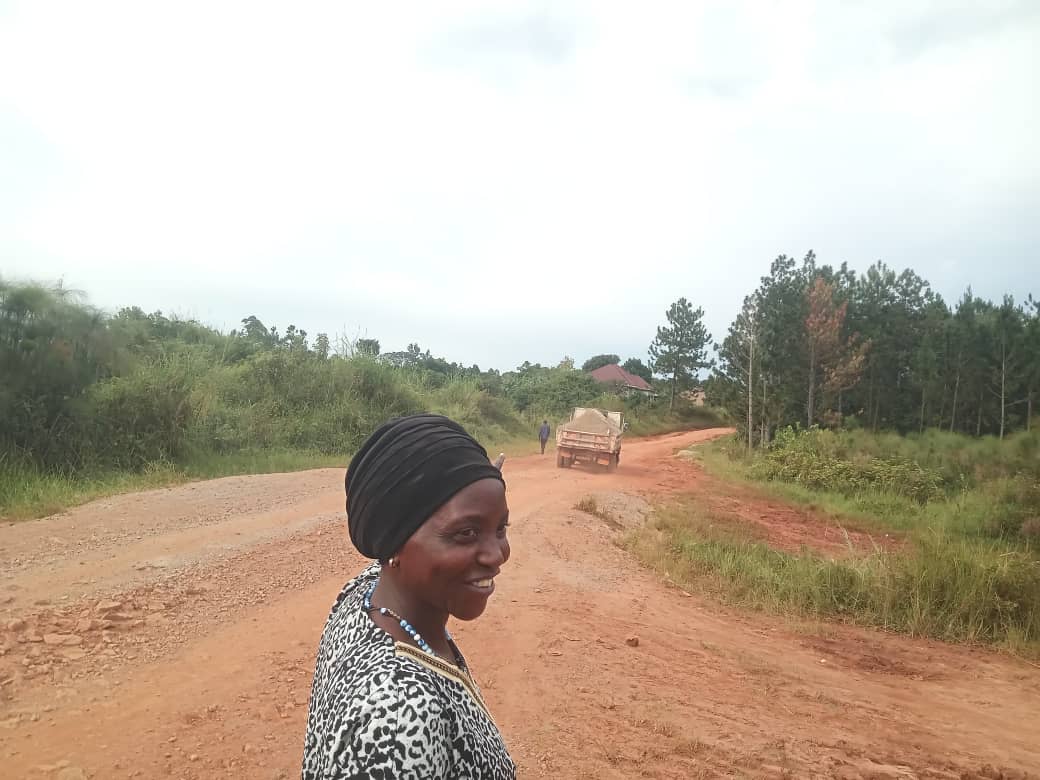
In Kyakasato and Kigorobya, Hoima District, a road once alive with the hum of motorcycles and schoolchildren’s laughter now lies in ruin. Deep trenches carved by heavy trucks have turned what used to be a lifeline into a hazard. During the rainy season, it becomes a muddy wasteland where movement grinds to a halt and lives hang in the balance.
This devastation is not a natural disaster. It is the direct footprint of EACOP-linked activities and the reckless quarrying and stone transportation by companies serving Uganda’s oil industry. As community observers report, residents are crying out for help after years of neglect. Their road, from Kyakasato to Kigorobya Town Council, has been destroyed by the very trucks that promised “progress.”
What makes this situation all the more outrageous is that infrastructure development, good roads, reliable transport, and improved community access–was one of the key promises used to justify the East African Crude Oil Pipeline (EACOP) and its accompanying projects. Government officials and corporate representatives assured Ugandans that oil would bring modern infrastructure, better livelihoods, and economic transformation.
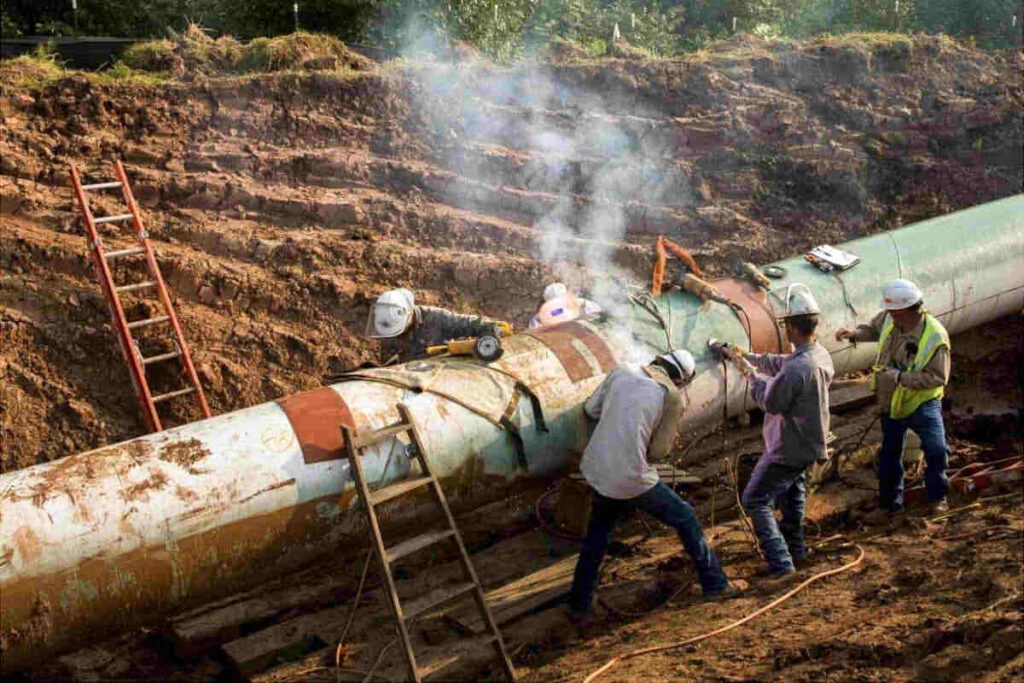
But on the ground, the reality is the opposite. Instead of building infrastructure before beginning heavy industrial activity, companies plunged ahead with excavation, blasting, and transport, without reinforcing local roads or compensating for the damage. The result? Destroyed routes, cut-off villages, and growing resentment among the people whose lands and livelihoods have been sacrificed.
This is not development–it is devastation disguised as progress.
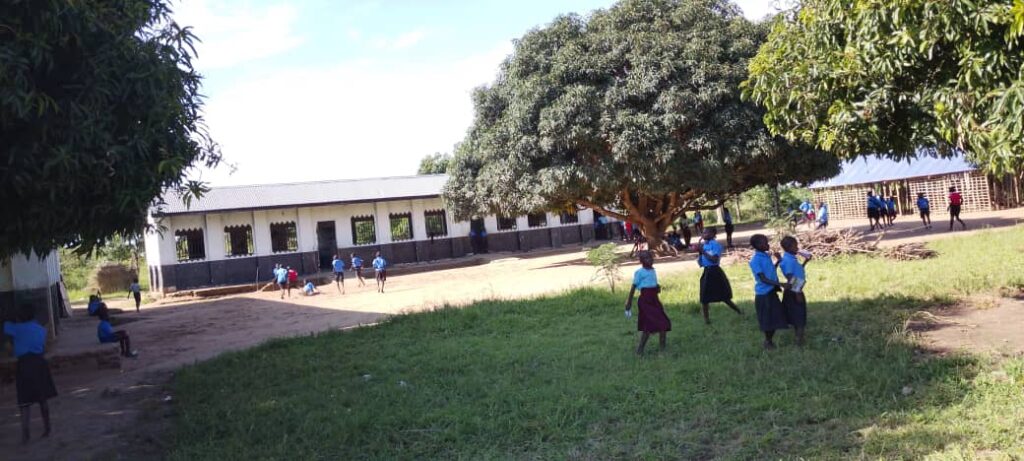
Local residents have repeatedly reported these conditions to authorities, from LC5 officials to Members of Parliament. Yet the response has been a deafening silence. Communities have been left to fend for themselves, forced to choose between risking their lives on treacherous roads or remaining isolated. For farmers, traders, and schoolchildren alike, mobility has become a luxury.
Meanwhile, the corporations profiting from these operations continue to tout “sustainability” and “responsibility” in their public relations campaigns. They host media tours and workshops to paint a picture of corporate benevolence–while on the ground, the dust, noise, and destruction tell a different story.
EACOP and its backers, chief among them TotalEnergies, must be reminded that development is not measured in barrels of oil or kilometers of pipeline. It is measured by the well-being of people and the protection of their environment. If the oil project truly aimed to uplift communities, then basic infrastructure should have been the first investment, not an afterthought left for the victims to demand years later.
The tragedy unfolding in Hoima is only a small component of the broader betrayal surrounding Uganda’s oil boom: big promises for the people, big profits for the few. The East African Crude Oil Pipeline has become a corridor of broken commitments–its path lined with displaced families, polluted water, and now, impassable roads.
The people of Kyakasato and Kigorobya deserve better. They deserve roads that connect them, not craters that confine them. They deserve to see the promises of infrastructure and progress fulfilled, not turned into another chapter of corporate impunity and government silence.
Until EACOP and its partners take full responsibility for their destruction and leave our communities, this project will remain what it has always been, a symbol of exploitation masquerading as development.