For many Ugandans, the East African Crude Oil Pipeline (EACOP) promises jobs and economic opportunity. But for those on the ground, working on the pipeline often comes with uncertainty, exploitation, and life-threatening hazards. Tasha Research Institute Africa (TASH) has documented multiple cases that reveal systemic labor rights violations, discrimination, and hazardous working conditions among EACOP contractors and subcontractors.
In Buliisa district, villages like Kabolwa illustrate the disconnect between EACOP’s promises and local realities. Despite the pipeline passing through the area, many youths remain unemployed, with some turning to drug abuse, prostitution, theft, and other risky behaviors. When Total Exploration and Production (E&P) Uganda and its subcontractors advertise unskilled work, only a few workers are recruited for a short period, and most laborers are ferried from outside the district. Semi-skilled and skilled jobs are rarely advertised, and hiring often depends on connections or bribes, leaving local youth without access to meaningful employment.
The experience of Mbabazi Margret highlights gender discrimination and violation of employee rights. Recruited by CPP Limited (Central Processing Plant), she trained in Low-Voltage Light and High-Tension (LLHT) cable threading within the Electrical, Instrumentation, and Telecommunication (EIT) department. When she became pregnant, she reported this to CPP, expecting maternity leave under Uganda’s Employment Act 2006. Instead, she was terminated and denied recourse, and her appeal to Total E&P Uganda went unanswered.
Pay and contractual abuses affect many workers. Mujuni Deo and colleagues were recruited by CPP as unskilled workers along the pipeline, promised a daily wage of UGX 20,000 during training and higher pay afterward. After two weeks on-site, their formal contract offered only UGX 325,000 per month, far below the expectations set during recruitment. Complaints were ignored, with employers justifying the low pay under EACOP’s minimum wage standards.
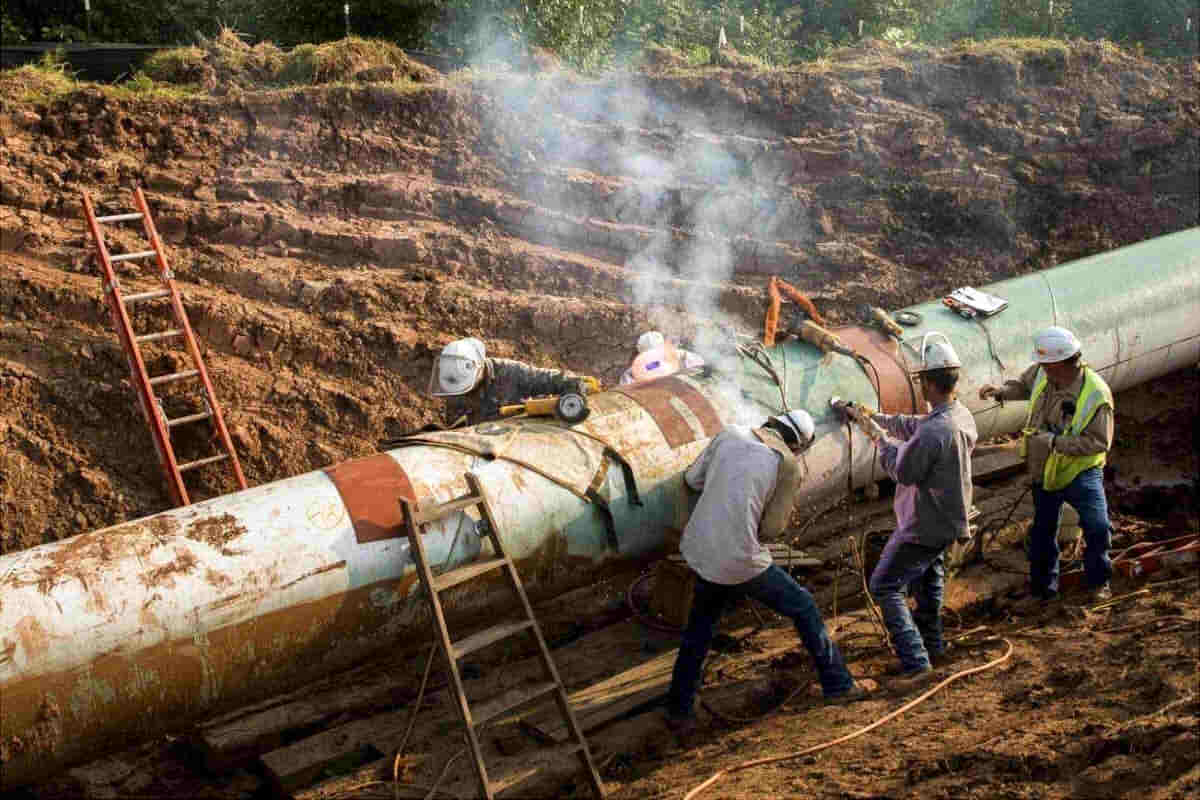
Unsafe working conditions are widespread. On 8th May 2025, Mr. Agaaba Franco, working in CPP’s EIT department on the Tilenga feeder pipeline, was electrocuted while installing aluminium foil on cable raceways during high-voltage testing. Supervisors and the onsite paramedic failed to provide timely medical care. Franco later sought treatment independently but died at home two days later, highlighting severe negligence in health and safety practices.
Systemic inequities in safety equipment further endanger workers. Ugandan laborers are given substandard personal protective equipment (PPE), including torn gloves, defective goggles, and damaged boots, while Chinese workers receive proper gear. Complaints are met with intimidation, threats of termination, and outright bullying by supervisors, including the Health, Safety, and Environment (HSE) supervisor Nicholas, creating a climate of fear and exploitation.
These incidents are merely a few among many that characterize working conditions among the companies operating to make EACOP a reality. They point to a broader betrayal by EACOP of its promises to improve the lives of local communities through meaningful, gainful employment. Instead of empowering the local workforce, EACOP contractors systematically exploit, intimidate, and endanger workers, undermining both labor rights and the trust of the communities the project claims to benefit.
The human price of Uganda’s oil boom is stark: the promise of economic opportunity is overshadowed by systemic abuse, inequality, and neglect. Without urgent reforms to enforce labor laws, ensure fair pay, provide equal treatment, and guarantee safety, the suffering of EACOP workers will continue, leaving communities to bear the consequences of broken promises.