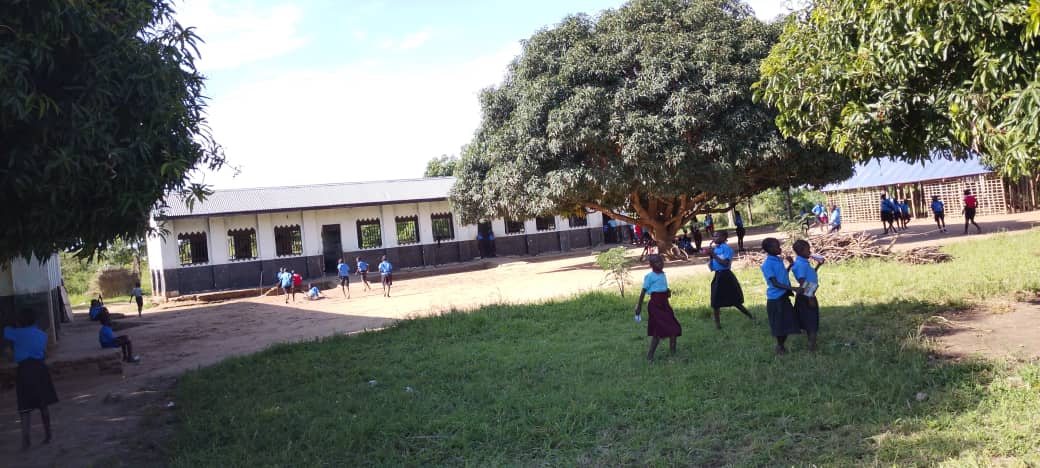
In the quiet village of Kijumbya, nestled in Kaoora Parish, Buliisa District, the laughter of children trying to learn echoes through cracked classroom walls. The small community school, Kijumbya Primary School, was built in 2010 by a group of volunteer teachers and hopeful parents who believed education could open a path out of poverty. Today, that hope is fading.
The school now has over 500 pupils, yet it remains uncoded by the government. This means no official teachers, no government funding, and no support of any kind. Everything, from chalk to teachers’ salaries, depends on parents who already struggle to survive from one poor harvest to the next.
When I visited the school, I met weary mothers and fathers who spoke with quiet frustration. “We have written so many letters to the district,” one parent said. “We were promised help, but no one ever comes.” Their voices carried the weight of years of disappointment. The once vibrant optimism that fueled the school’s founding has been slowly replaced by exhaustion.
The classrooms are overcrowded. Many children come barefoot, carrying torn books in plastic bags. Some have dropped out altogether because their parents could no longer afford the small contributions required to keep the school running. “Our children want to learn, but hunger and poverty chase them away,” said one teacher, her face lined with worry.
What makes the situation more painful is that Kijumbya lies within the oil-rich belt of the East African Crude Oil Pipeline (EACOP). Massive trucks thunder down nearby roads, carrying equipment for a project said to bring “development and opportunity.” But for the people of Kijumbya, that development feels like a distant dream.
While billions flow into the oil sector, the children here still sit on dusty floors, writing on broken desks under leaking roofs. Parents can only watch as their hopes for a better future for their sons and daughters crumble under the weight of neglect. “They told us the oil would bring progress,” one villager said bitterly, “but look at our school. Is this progress?”
In a district touted as a future hub of prosperity, Kijumbya stands as a symbol of forgotten promises — a stark reminder that true development is not measured by pipelines or profits, but by the lives and opportunities of ordinary people.
As evening fell over the village, I watched pupils walking home in small groups, their laughter soft but resilient against the fading light. They deserve better, not tomorrow, not in another government plan, but now.