For years, they were ignored.
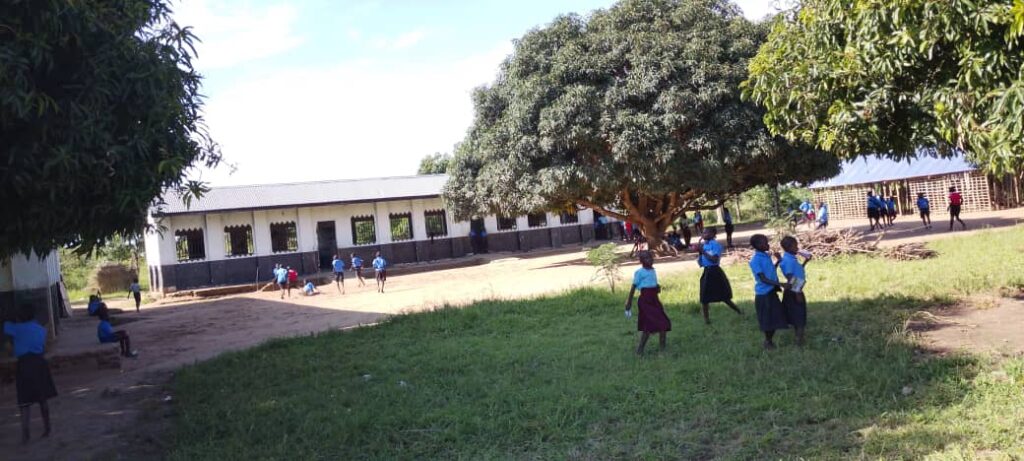
Farmers saw their land taken without consent. Families were pushed from their homes long before compensation appeared. Children left school. Entire communities were forced into limbo, confused, silenced, and dismissed in the name of “development.”
But in June 2025, everything began to shift.
Twenty-six Ugandans, from villages across the Albertine and Greater Masaka regions, secured official legal representation in a landmark lawsuit against one of the world’s most powerful oil companies: TotalEnergies.
For years, their representation in the legal case had been handled primarily in France through international civil society organizations. But this year, for the first time, they acquired dedicated local legal representation in Uganda, ensuring seamless coordination with the French legal team and giving the plaintiffs a stronger, unified voice grounded in their lived experiences.
And they are not standing alone. Tasha Research Institute Africa and its partners have stood with the plaintiffs from the beginning, and will continue to stand with them until justice is served.
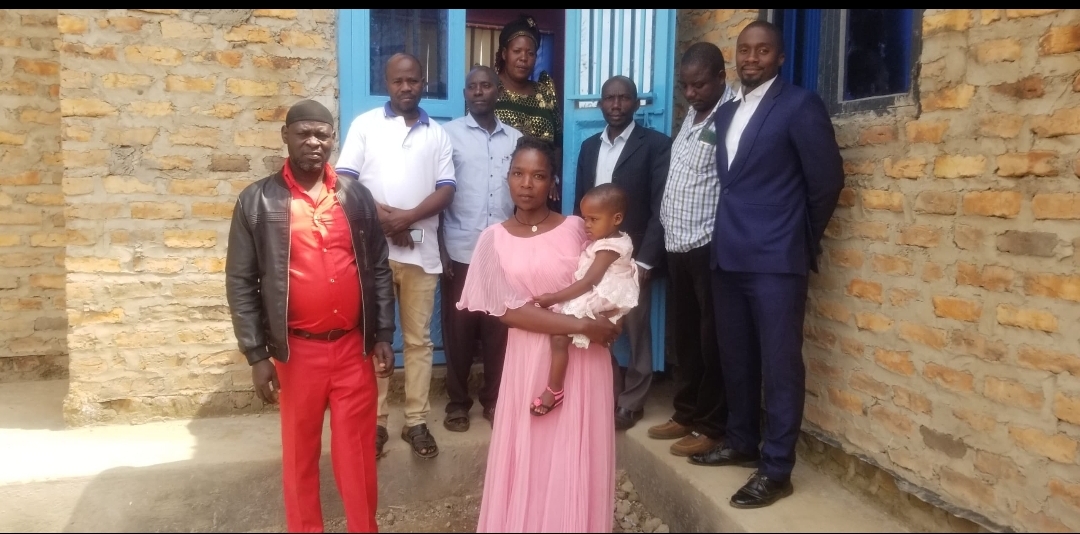
The new legal represenative Billy Alinda (right, in a suit) engaging with some of the plaintiffs
The Real Cost of “Progress”
Since its launch, the East African Crude Oil Pipeline (EACOP) has been wrapped in corporate promises of opportunity and growth. TotalEnergies spoke of jobs, infrastructure, and economic uplift.
But the reality on the ground tells a different story.
Communities have lost ancestral land. Compensation, when it arrives at all, is painfully delayed or insultingly low. Wetlands are drying up. Cultural and sacred sites are being destroyed. People who dare speak out face intimidation, surveillance, and sometimes violence.
TotalEnergies calls this a pipeline. For many Ugandans, it is a slow-moving disaster, one that harms land, livelihoods, and dignity.
Taking Back the Narrative
For years, the lawsuit in France, brought under France’s Duty of Vigilance Law, was led by civil society groups such as Friends of the Earth France and Survie. While their advocacy brought international attention, the direct voices of Ugandans most affected were not consistently heard in courtrooms thousands of miles away.
That has now changed.
Through the Tasha Research Institute Africa’s Plaintiffs’ Project, 26 Project Affected Persons (PAPs) have secured both international and local legal counsel working together to represent them. This new structure means their experiences are not filtered or distant, they are central.
“This fight is slowly shaping up interestingly,” says Ntumwa Rodgers, Executive Director of Tasha. “The people who were silenced are now in the legal arena. They’re naming the violators. They’re demanding justice.”
Environmental and human rights lawyers in Paris are coordinating directly with a Ugandan legal team to build a strong factual case. They are collecting video testimonies, photographs of destroyed homes, and sworn statements from witnesses. For the first time, Ugandans’ lived experiences are entering the courtroom as unfiltered evidence.
Challenging the Giant
This fight will definitely not be a fair one.
On one side stands a multibillion-dollar fossil fuel corporation backed by state power, military presence, and global industrial influence. On the other are rural families, some struggling to access clean water or basic healthcare, who simply want their rights restored.
But the plaintiffs now have something they never had before: coordinated, grounded, and consistent representation, backed by a network of local and international partners committed to seeing this through.
“TotalEnergies has hidden behind silence and bureaucracy,” says Isabella N., Legal and Advocacy Officer at Tasha. “But now, with these plaintiffs, they face something they cannot spin, truth, resistance, and the collective voice of those they tried to erase.”
Each plaintiff holds a story. A widow in Buliisa whose home was destroyed without warning. A father in Kyotera whose son was beaten for joining a peaceful protest. These people are not anonymous statistics. They are rights-holders with legal standing.
What Lies Ahead?
The journey will not be easy. French courts move slowly. Corporate lawyers will try to delay, discredit, and derail the case. But the foundation is solid.
Tasha Research Institute Africa, and its partners, will continue to stand with the plaintiffs until justice is delivered. They will coordinate logistics, strengthen evidence, prepare legal briefings, monitor safety concerns, and ensure every plaintiff is supported throughout the process.
More plaintiffs are being identified. More evidence is emerging. And more eyes, local and international, are watching.
The fight for justice is no longer a quiet one. And it will not be abandoned.