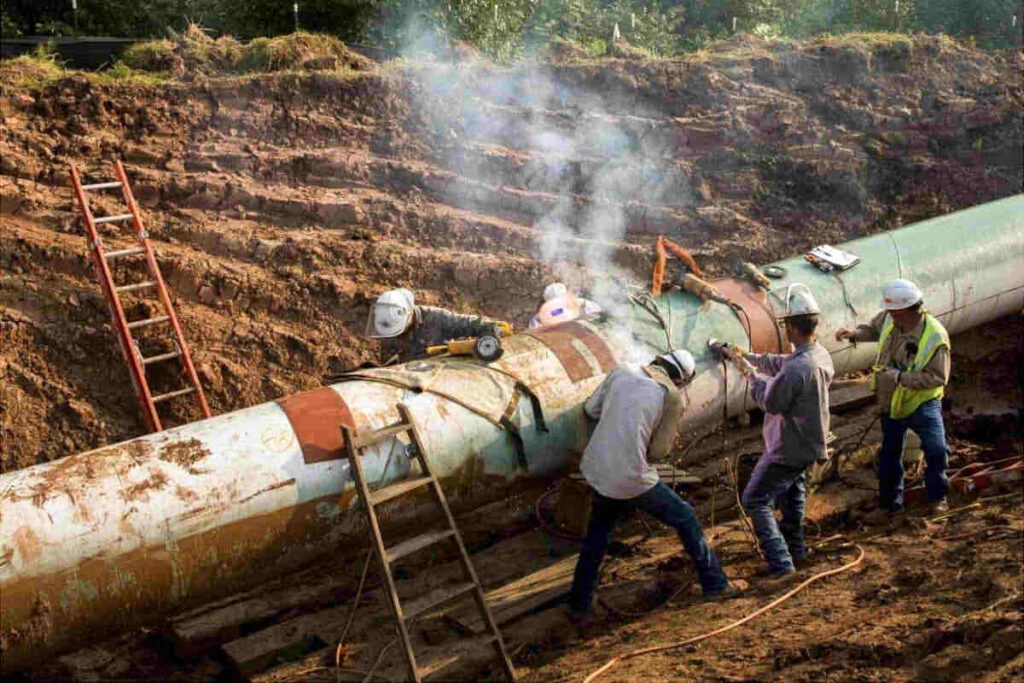
BULIISA DISTRICT — Communities in Buliisa Uganda are raising alarm over stone quarrying activities connected to infrastructure works for the East African Crude Oil Pipeline (EACOP), saying the destruction has gone far beyond repair. What began as a promise of development has instead unleashed environmental ruin, corruption, and despair.
According to Mr. Asimwe Julius, the Subcounty Environmental Committee Secretary Grievance Management Committee (GMC), areas near the quarry sites that once enjoyed steady rainfall and fertile soils have now turned dry, dusty, and lifeless. “Before these companies started blasting stones, our land was green, and rains were consistent. Farmers could depend on their harvests,” Asimwe said. “Today, the soil is poisoned, the air is filled with dust, and the rain no longer comes.”
The stone blasting, part of the massive construction works supporting the EACOP project, has left nearby farmland barren and the atmosphere thick with pollutants. Residents now speak of coughing fits, contaminated water sources, and withered crops, painting a picture of environmental collapse.
Worse still, the Project-Affected Persons (PAPs) have not been compensated, despite losing land and livelihoods. The company responsible, M/S Company, has failed to address complaints or provide any meaningful redress. Meanwhile, local politicians who once supported the people have fallen silent, reportedly corrupted by the same oil interests driving this destruction.
What was marketed as a path to prosperity under the EACOP banner is instead becoming a story of corporate greed and ecological death. The land no longer feeds its people, the air no longer sustains them, and the very systems of accountability that should protect them have been captured by the oil agenda.
As dust clouds rise over what was once productive farmland, residents warn that the crisis is not just environmental—but existential. “If this continues,” one villager said, “we will have no land, no food, and no future.”
EACOP’s footprint in Buliisa is proving that so-called development without environmental justice is nothing more than exploitation dressed as progress.